Quick Summary
Creatine monohydrate has strong evidence for improving strength and training adaptations when paired with resistance exercise. In postmenopausal women, pooled trials show small but real gains in lean mass and leg strength — and no effect on bone density. Mood and cognition evidence is earlier.
Creatine is one of the best-evidenced supplements available, and almost all of the early research was done in men. That is changing, and the trials in women have turned up things the general creatine literature doesn't predict — different baseline stores, a different fluid response, and a menopause question that is still half-answered.
This is what the research supports for women across three areas people actually search for: strength, mood, and the menopause transition. The confidence is not the same in each, so it's marked as you go.
What Creatine Is and What It Does
Creatine is a compound your body makes from three amino acids, stores mostly in skeletal muscle, and uses to regenerate ATP — the molecule that powers muscle contraction. About 95% of it sits in muscle, where it binds a phosphate group and becomes phosphocreatine.
Phosphocreatine is the fastest energy system you have. It donates its phosphate to rebuild ATP during efforts lasting a few seconds to roughly half a minute — a heavy set, a sprint, a flight of stairs taken quickly. It runs out fast, which is why the sixth rep is harder than the first. Supplementing raises how much phosphocreatine the muscle holds, so the system takes slightly longer to deplete and refills slightly faster between efforts.
You also get creatine from food, and only from animal foods:
- Red meat and pork, the densest common sources
- Fish, particularly herring, salmon and tuna
- Poultry, in smaller amounts
- Nothing meaningful from plants, which is why vegetarians and vegans typically have lower muscle stores
Why Women May Have More to Gain
The mechanistic case for creatine mattering more in women rests on a baseline difference. A 2021 review in Nutrients examining creatine across the female lifespan reports that women have 70–80% lower endogenous creatine stores than men, and that women also consume significantly less creatine from food.
Lower stores plus lower intake suggests more headroom — more room for supplementation to move the number. That's a reasonable hypothesis and it is not the same thing as a demonstrated larger benefit. What the trials show is that women respond, not that they respond more than men. Head-to-head comparisons designed to answer that question are still thin.
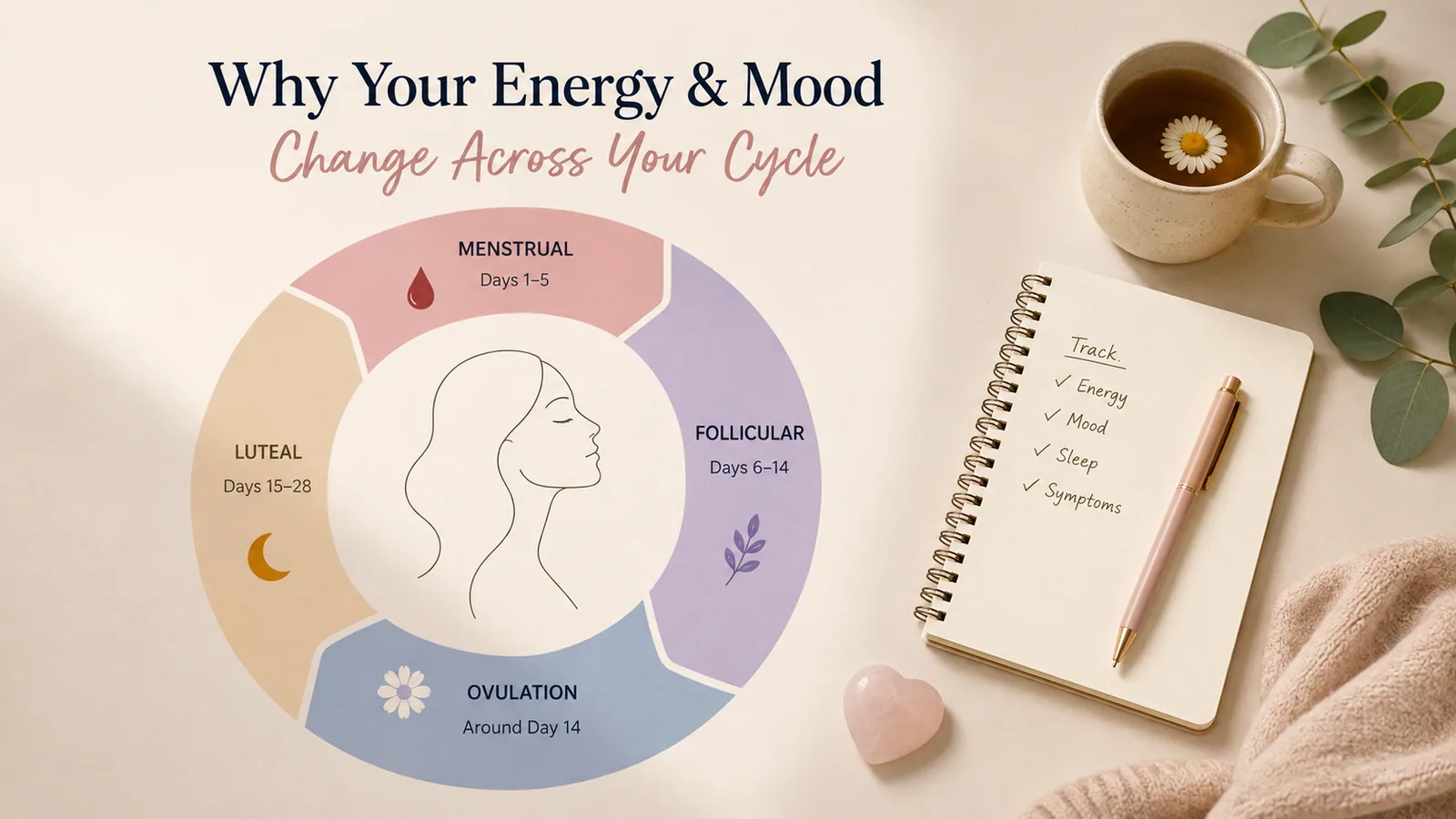
Hormonal fluctuation adds a second layer. Estrogen and progesterone both influence creatine kinetics, which is one reason results in women can vary by menstrual phase in ways that men's data never captured. It's an active research area rather than a settled one.
Creatine and Strength: What the Trials Show
This is the strongest part of the evidence base, and the claim is narrow: creatine improves the adaptations you get from resistance training. It is not a strength supplement on its own. The training does the work; creatine lets you do slightly more of it.
In one of the more cited trials in women, ten weeks of resistance training with creatine produced a 20–25% greater increase in one-repetition maximum for leg press, leg extension and squat compared with training plus placebo. The pattern across the wider literature is consistent: more total training volume tolerated, and more lean mass gained over a training block.
The mechanism is not that creatine builds muscle directly. It buys you an extra rep or two per set and faster recovery between sets. Over ten weeks that compounds into a measurably larger training stimulus, and the muscle responds to the stimulus.
What It Does for Exercise Performance
The International Society of Sports Nutrition's position stand describes creatine monohydrate as the most effective supplement available for increasing high-intensity exercise capacity and lean body mass during training. That statement is specific about which kind of exercise.
Creatine helps repeated short, hard efforts — intervals, hill repeats, a circuit, anything where you go hard, rest briefly, and go again. It helps the second and third effort more than the first, because the benefit is largely in how quickly phosphocreatine refills during the rest.
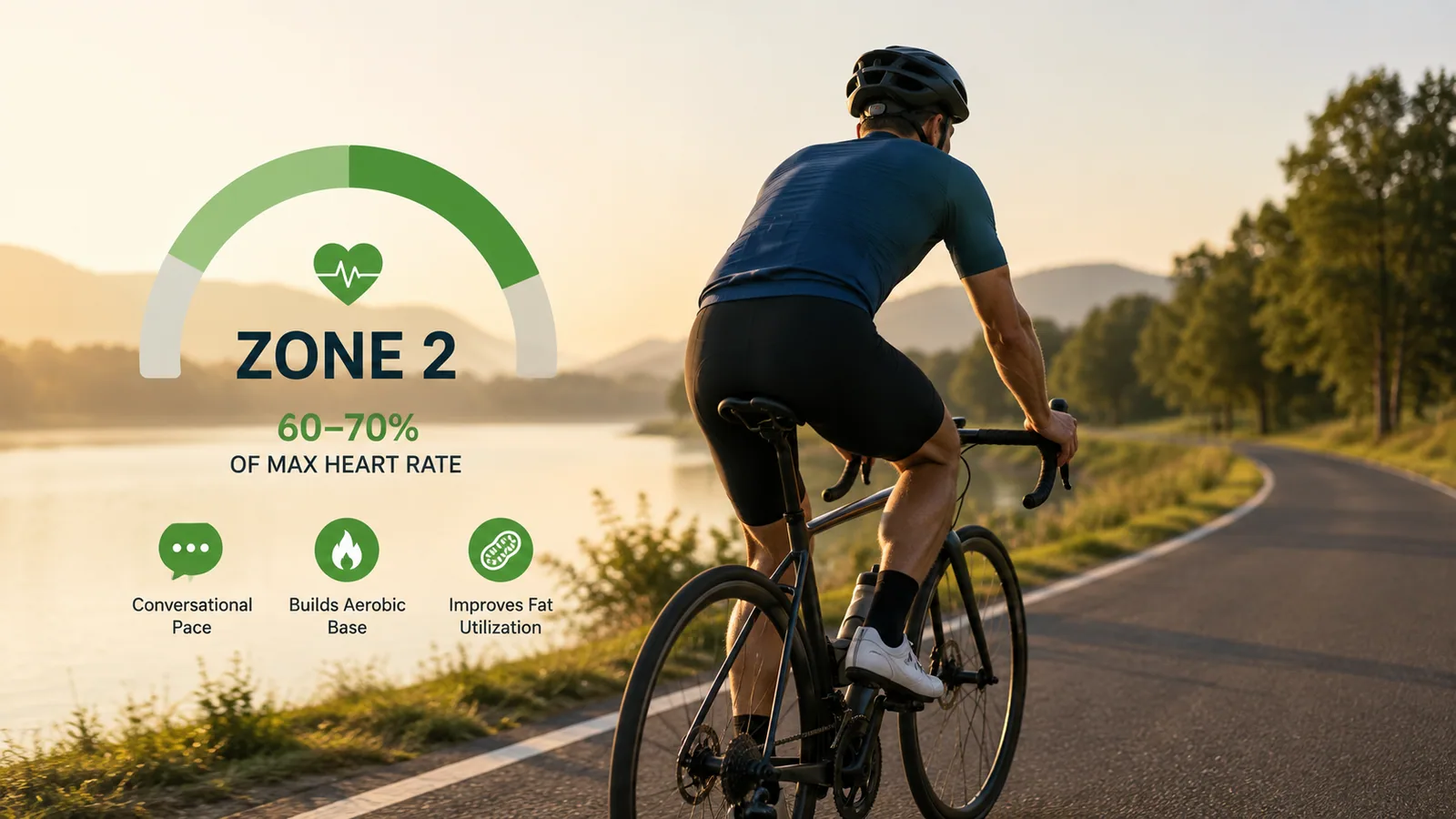
It does not improve steady-state endurance. A long easy run, a Zone 2 ride, a swim at conversational pace — none of these are limited by phosphocreatine, so there is nothing for creatine to do. Pages that promise general athletic improvement are overselling a narrow and well-defined effect.
Creatine, Brain Energy and Mood
The brain uses the same phosphocreatine system muscle does, and it is metabolically expensive to run. That makes brain energetics a plausible target, and it's where creatine research has moved most in the last decade. It is also where the evidence is thinnest, and where the gap between what's published and what's marketed is widest.
On memory, a 2023 meta-analysis in Nutrition Reviews pooled eight randomized controlled trials and found a small improvement over placebo — a standardized mean difference of 0.29. The subgroup result is the informative part. In older adults aged 66 to 76 the effect was 0.88; in people aged 11 to 31 it was 0.03, which is indistinguishable from nothing. Creatine appears to help memory in people whose brain energy metabolism is already under strain, not in healthy young adults.
On mood, the most relevant trial is specifically in women. Fifty-two women with major depressive disorder took escitalopram for eight weeks alongside either creatine or placebo. The creatine group showed significantly greater improvement in depression scores, separating from placebo by week two and holding at weeks four and eight.
What Changes in Perimenopause and Menopause
Body composition shifts during the menopause transition, and the shift has a specific shape. SWAN, a long-running cohort study of women across the menopause transition, found that lean mass declines by about 0.2% per year during the transition window — roughly 0.06 kg annually — while the rate of fat gain doubles.
The window matters as much as the rate. SWAN defined the transition as spanning from about two years before the final menstrual period to eighteen months after it, and found that the losses flatten out roughly two years past the final period. This isn't an indefinite decline. It's a concentrated few years of change.
So the plausible case for creatine here is straightforward: muscle is being lost during a defined window, creatine improves the muscle response to resistance training, therefore creatine during that window may help preserve what's being lost. Plausible is the right word. The trials are what decide it.
Does Creatine Help With Menopause Symptoms?
A 2025 systematic review pooled seven randomized controlled trials in 608 postmenopausal women, mean age around 62, with interventions running from 12 to 104 weeks. It's currently the best summary available, and it separates cleanly by outcome:
| Outcome | What the pooled trials found | Confidence |
|---|---|---|
| Lean mass | Favored creatine by 0.37 kg over placebo — real, and small | Moderate |
| Leg strength | Leg-press one-rep max improved by 7.5 kg over placebo | Moderate |
| Bone density | Unchanged overall, despite this being a common marketing claim | Moderate |
| Fatigue | Not a pooled outcome; individual trials are small and inconsistent | Limited |
| Mood and cognition | No menopause-specific trials; extrapolated from older-adult data | Early |
| Hot flashes and sleep | No evidence that creatine affects vasomotor symptoms at all | None |
Two conditions ran through the positive results. The benefits appeared when creatine was taken at 5 g per day or more and combined with resistance training. Trials using 3 g per day or less without resistance training showed no measurable effect. Creatine without training did not work in this population.
The bone result is worth sitting with, because it is the claim most often made and least supported. A two-year randomized trial in postmenopausal women found no effect on bone mineral density, though it did find changes in some bone geometry measures at the hip. Pooled across trials, density doesn't move.
What Doses the Research Used
What follows describes study protocols, not a recommendation. Doses are a decision for you and a clinician who knows your kidney function and medications.
The ISSN position stand describes two approaches used across the literature. The first is a loading phase of roughly 0.3 g per kilogram of body weight daily for five to seven days, followed by 3–5 g daily. The second skips loading entirely and uses 3–5 g daily from the start, reaching the same muscle saturation over three to four weeks instead of one.
Loading is a speed decision, not an efficacy one. Both routes arrive at the same place. The short-term postmenopausal trials that used high doses — 0.3 g/kg daily for seven days — were testing whether saturation alone changes anything, and they did find gains in fat-free mass and strength.
On form, the ISSN is unambiguous: creatine monohydrate is the most extensively studied and clinically effective form. The marketed alternatives — hydrochloride, buffered, ethyl ester — carry a price premium and no evidence of superiority. Timing appears to matter far less than consistency, because the mechanism depends on muscle saturation, which is a function of taking it regularly rather than taking it at a particular hour.
Safety and Side Effects
The safety data in women is better than for most supplements. A 2020 systematic review and meta-analysis in Nutrients examined 29 studies covering 951 female participants taking oral creatine monohydrate. It found no deaths and no serious adverse outcomes.
The same review found no significant differences between creatine and placebo in total adverse events, gastrointestinal events, or weight gain, and no significant difference in measures of renal or hepatic function. The ISSN position stand reaches a comparable conclusion for the general literature, noting no compelling evidence of harm from short- or long-term use in healthy people.
The kidney concern comes from a measurement artifact rather than a finding. Creatine breaks down into creatinine, and creatinine is what's measured to estimate kidney function. Supplementing can raise serum creatinine without kidney function having changed — which is worth mentioning to a clinician before a blood test, so an expected number isn't read as a new problem.
Four Claims That Don't Hold Up
Creatine attracts more folklore than most supplements, and four claims come up constantly.
"It makes women bulky." The pooled effect on lean mass in postmenopausal women was 0.37 kg over interventions that ran up to two years. That is a fraction of a kilogram of muscle, gained through resistance training, and it is not a physique transformation in either direction.
"It causes water weight." The most directly relevant study measured fluid compartments in 30 active women across menstrual phases. Creatine did increase total body water during the luteal phase — but produced no change in body mass compared with placebo. The water that shifts moves into muscle cells, not under the skin.
"It's only for athletes." The ISSN describes therapeutic applications across populations from infants to the elderly. The postmenopausal trials were not conducted in athletes, and the memory findings were strongest in adults aged 66 to 76.
"It causes dehydration and cramps." The 2020 review in women found no signal for this, and the ISSN position stand has addressed it directly for years. It persists as folklore rather than as a finding.
Where the Evidence Is Settled and Where It Isn't
Settled: creatine monohydrate improves strength and lean mass adaptations when combined with resistance training, in women as in men, and its safety profile in women has been examined directly and looks clean. Those two things are as well established as supplement claims get.
Developing: the postmenopausal benefits are real and small, they depend on resistance training being part of the picture, and they do not extend to bone density. The mood and cognition evidence is earlier still — a genuine signal in older adults and in women with diagnosed depression taking an SSRI, and essentially nothing in healthy younger adults.
Unstudied: whether creatine does anything for hot flashes, sleep quality, or the fatigue that brings most women to search about perimenopause in the first place. No trial has shown that it does, and the absence of evidence is currently being sold as though it were evidence.
Frequently Asked Questions
Is creatine safe for women to take long term?
A 2020 systematic review of 29 studies covering 951 female participants found no deaths and no serious adverse outcomes with oral creatine monohydrate, and no significant differences from placebo in gastrointestinal events, weight gain, or kidney and liver function. Women with kidney or liver disease, or who are pregnant or breastfeeding, should talk to a clinician first.
Does creatine cause weight gain in women?
A randomized trial measuring fluid compartments in 30 active women found creatine increased total body water during the luteal phase but produced no change in body mass compared with placebo. Pooled trials in postmenopausal women show lean mass gains averaging 0.37 kg, which reflects muscle rather than fluid.
Can women take creatine after menopause?
Seven randomized trials in 608 postmenopausal women found small improvements in lean mass and leg-press strength, with mild adverse events comparable to placebo. The benefits appeared only when creatine was combined with resistance training. Bone mineral density was unchanged despite being a common marketing claim.
Does creatine help with mood or depression?
In a trial of 52 women with major depressive disorder, those taking creatine alongside the antidepressant escitalopram improved significantly more than those taking the antidepressant alone, with separation appearing by week two. There is no comparable evidence that creatine improves mood in women who are not depressed.
Is creatine monohydrate better than other forms?
The International Society of Sports Nutrition describes creatine monohydrate as the most extensively studied and clinically effective form available. Marketed alternatives such as hydrochloride, buffered and ethyl ester versions cost more and have not been shown to outperform it.
References
- Smith-Ryan AE, Cabre HE, Eckerson JM, Candow DG. "Creatine Supplementation in Women's Health: A Lifespan Perspective." Nutrients, 2021;13(3):877.
- de Guingand DL, Palmer KR, Snow RJ, Davies-Tuck ML, Ellery SJ. "Risk of Adverse Outcomes in Females Taking Oral Creatine Monohydrate: A Systematic Review and Meta-Analysis." Nutrients, 2020;12(6):1780.
- Kreider RB, et al. "International Society of Sports Nutrition position stand: safety and efficacy of creatine supplementation in exercise, sport, and medicine." Journal of the International Society of Sports Nutrition, 2017;14:18.
- Prokopidis K, Giannos P, Triantafyllidis KK, Kechagias KS, Forbes SC, Candow DG. "Effects of creatine supplementation on memory in healthy individuals: a systematic review and meta-analysis of randomized controlled trials." Nutrition Reviews, 2023;81(4):416-427.
- Lyoo IK, et al. "A randomized, double-blind placebo-controlled trial of oral creatine monohydrate augmentation for enhanced response to a selective serotonin reuptake inhibitor in women with major depressive disorder." American Journal of Psychiatry, 2012;169(9):937-945.
- Greendale GA, Sternfeld B, Huang MH, et al. "Changes in body composition and weight during the menopause transition." JCI Insight, 2019;4(5):e124865.
- Moore SR, Gordon AN, Cabre HE, Hackney AC, Smith-Ryan AE. "A Randomized Controlled Trial of Changes in Fluid Distribution across Menstrual Phases with Creatine Supplementation." Nutrients, 2023;15(2):429.